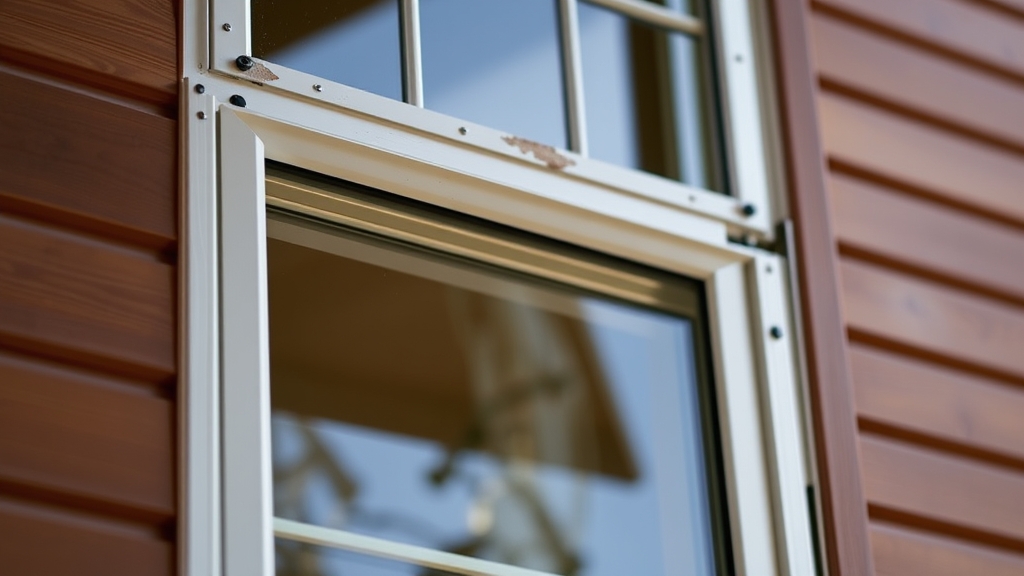
One in Five Window Installations Fail Within Ten Years. Yours Might Be Next.
One in five window installations fail within ten years, and the culprit isn’t the windows themselves. A forensic study of 800 window warranty claims revealed that a staggering 82% of failures stem from installation errors rather than product defects. If you’re not vigilant about your installation practices, your next job could easily fall into that failure rate.
The three most common mistakes leading to these failures are all preventable: improper sealing, inadequate flashing, and misalignment of frames. Let’s break down these issues and how you can avoid them on your next installation.
1. Improper Sealing
Water leaks are the bane of any window installation. A study from the National Institute of Standards and Technology found that water entering through poorly sealed joints is a leading cause of window failure. When water infiltrates, it can lead to mold growth, wood rot, and significant structural damage.
To ensure proper sealing, use high-quality sealants that are compatible with both the window frame material and the surrounding structure. For instance, if you’re working with vinyl windows, use a sealant designed for vinyl to prevent degradation over time. Make sure to apply sealant generously in all joints and check for continuity across all seams.
2. Inadequate Flashing
Flashing is your first line of defense against water intrusion. If it’s not installed correctly, even the best windows can fail. A report from the American Architectural Manufacturers Association emphasized that improper flashing installation leads to leaks at an alarming rate.
When installing flashing, ensure it directs water away from the window and integrates seamlessly with the building’s weather barrier. Overlap your flashing correctly, typically by at least 6 inches, to prevent water from sneaking in through the seams. Use self-adhesive flashing tape at the top of the window frame to create a barrier against wind-driven rain.
3. Misalignment of Frames
Misalignment might seem like a minor issue, but it can have major consequences. According to research by the National Fenestration Rating Council, improperly aligned frames lead to gaps that can allow air and moisture penetration. This not only affects energy efficiency but can also compromise the integrity of your installation.
When setting frames, always use a level and check for plumb and square before fastening them in place. Don’t rush this step—taking a few extra minutes to ensure everything is aligned properly will save you headaches down the line.
Putting It All Together
With these common pitfalls in mind, here are some actionable steps you can take on your next job:
-
Train Your Team: Ensure everyone on your crew understands these common mistakes and how to avoid them. Regular training sessions can help reinforce good practices.
-
Use Quality Materials: Invest in quality sealants and flashing materials that meet industry standards. Cheap products may save you money upfront but will cost you more in repairs later.
-
Follow Manufacturer Guidelines: Always adhere to the manufacturer’s installation instructions. They often include critical details specific to their products that can help avoid mistakes.
-
Conduct Quality Control Checks: After installation, perform thorough inspections before leaving the job site. Look for gaps, misalignments, or signs of improper sealing.
By focusing on these areas, you can significantly reduce the likelihood of window failures in your projects. Remember, a little extra attention during installation goes a long way toward ensuring your work stands the test of time—and keeps your clients happy for years to come.