Heat Pumps in Cold Climates: The Data Has Caught Up to the Hype
Heat Pumps in Cold Climates: The Data Has Caught Up to the Hype
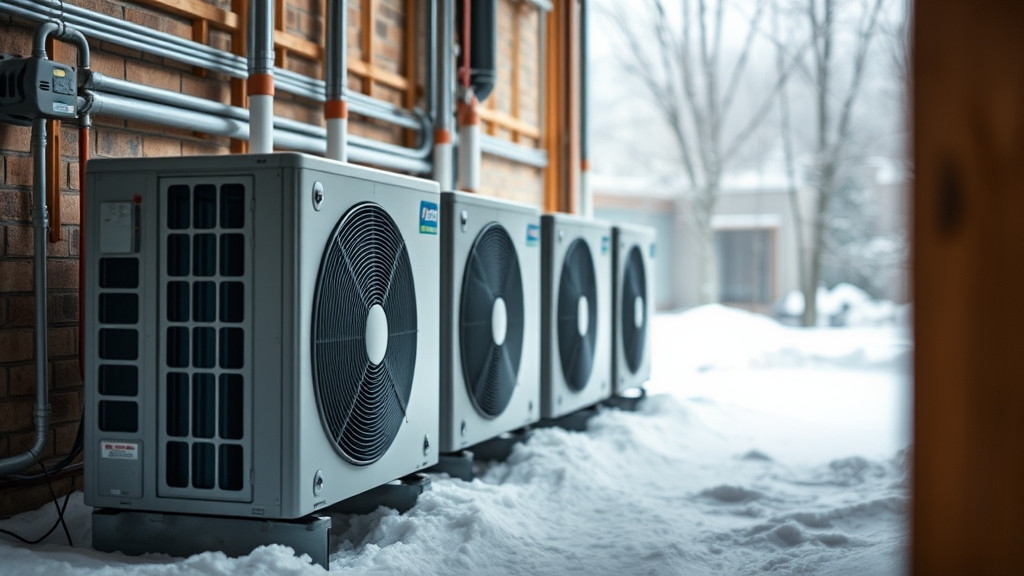
Cold-climate heat pumps are no longer just a promising technology; they’re proving their worth in real-world conditions. Recent field data from Minnesota, Vermont, and Maine shows that these systems maintain 95% of their rated capacity even at temperatures as low as 5°F. The argument that heat pumps don’t work in the cold is officially over.
In the past, many contractors and builders hesitated to recommend heat pumps for homes in frigid climates. They worried about performance drops when temperatures dipped. However, findings from the University of Minnesota’s Center for Energy and Environment have put those concerns to rest. Over five years, they tracked performance metrics for various cold-climate heat pump models, and the results are compelling.
Real-World Performance
The Minnesota study demonstrated that cold-climate heat pumps consistently deliver heating performance near their rated capacity during extreme winter weather. For instance, one model recorded a heating capacity of 18,000 BTUs at 5°F, which is only a slight drop from its rated capacity of 19,000 BTUs at 47°F. This is significant because it means homeowners can rely on these systems for effective heating throughout winter without needing to resort to auxiliary heating sources as frequently as previously thought.
Data from Vermont and Maine corroborate these findings. The Vermont Energy Investment Corporation reported that installations in rural areas have exceeded expectations, with many homes comfortably heated by heat pumps even during the coldest months. This kind of performance is not just anecdotal; it’s backed by rigorous field studies.
The Shift in Perception
The perception of heat pumps as ineffective in cold climates has historically stemmed from early models that struggled to maintain efficiency when temperatures dropped. However, advancements in technology—specifically the development of cold-climate heat pumps—have changed the game. These newer models utilize variable-speed compressors and enhanced refrigerants designed to perform better in low temperatures.
According to a report by the U.S. Department of Energy, modern cold-climate heat pumps can operate efficiently down to -5°F and still deliver significant savings on energy bills compared to traditional heating methods like electric resistance or oil-fired boilers. The efficiency ratings of these systems have improved dramatically—many now boast a Heating Seasonal Performance Factor (HSPF) above 10, making them a cost-effective choice for homeowners.
Installation Considerations
For builders and contractors, there are practical implications for installing cold-climate heat pumps. Proper sizing and installation are crucial for maximizing performance. A study by the American Society of Heating, Refrigerating and Air-Conditioning Engineers (ASHRAE) emphasizes the importance of correctly matching system size to home requirements. Oversizing can lead to short cycling and reduced efficiency, while undersizing may leave homeowners uncomfortable during peak demand.
In addition to sizing, attention must be paid to the home’s insulation and air sealing. Homes that are well-insulated will see much better performance from heat pumps than those that aren’t. As you approach installations, consider recommending additional insulation or air sealing measures if needed.
Cost Benefits
The financial incentives for adopting cold-climate heat pumps are also substantial. A study conducted by the National Renewable Energy Laboratory (NREL) found that homeowners could save between 30% and 50% on heating costs compared to traditional systems. With rising energy prices and increasing demand for sustainable solutions, these savings can significantly impact a homeowner’s budget.
Moreover, many states offer rebates and tax credits for heat pump installations, further enhancing their attractiveness. Contractors should stay updated on local incentive programs to provide clients with comprehensive cost-benefit analyses during consultations.
Challenges Ahead
Despite the positive data, challenges remain. Some contractors still cling to outdated beliefs about heat pump performance in cold weather. It’s crucial to educate clients and fellow professionals about the advancements in technology and real-world performance data that dispel these myths.
Additionally, while cold-climate heat pumps perform admirably at low temperatures, they may require supplemental heating during extreme weather events—especially during sustained periods below zero degrees Fahrenheit. This doesn’t negate their value; it simply means planning for hybrid systems where necessary.
Conclusion
Cold-climate heat pumps have emerged as a reliable solution for efficient heating in frigid regions. The data is clear: they perform well at low temperatures while offering substantial savings on energy bills. As contractors and builders adapt to this technology, they’ll not only improve their offerings but also contribute positively to energy sustainability efforts.
Embrace this change—educate your clients on the benefits of modern cold-climate heat pumps and position yourself as a knowledgeable professional who stays ahead of industry trends. The future is here; let’s make sure you’re ready for it.