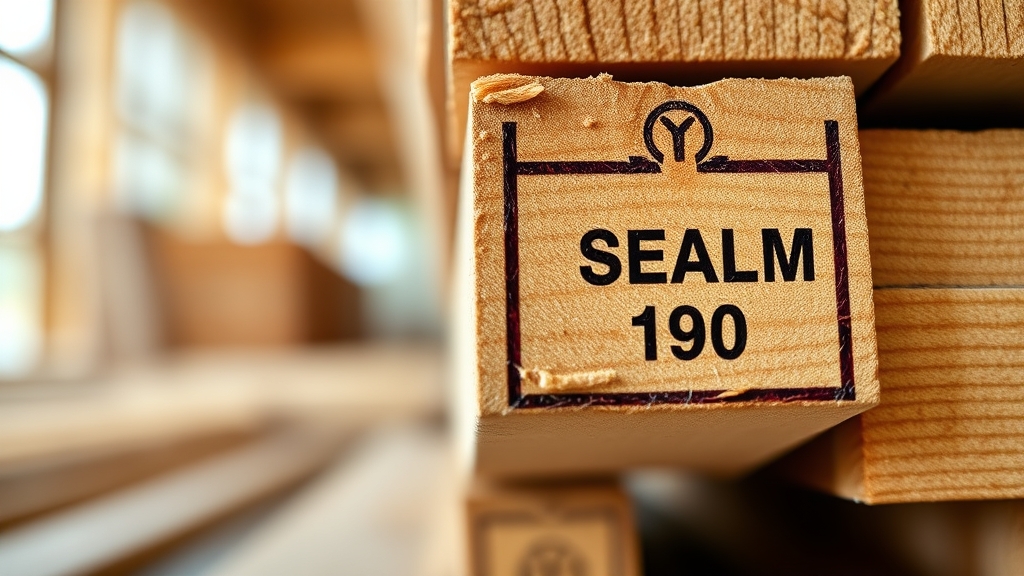
That Grade Stamp on Your Lumber Doesn’t Mean What You Think
That Grade Stamp on Your Lumber Doesn’t Mean What You Think
If you think that grade stamp on your lumber is a straightforward indicator of quality, you’re in for a surprise. Framing lumber grading has undergone three significant changes in the last decade, and many contractors are still relying on outdated rules that expired in 2018. Understanding the current standards is crucial for ensuring structural integrity and compliance with building codes.
The Evolution of Lumber Grading
The American Lumber Standard Committee (ALSC) oversees lumber grading rules, which have shifted dramatically to adapt to new research and market demands. The most recent revisions were implemented in 2018, but many builders continue to reference grade stamps based on older grading systems. This can lead to misconceptions about the strength and performance of the lumber you’re using.
In short, the grading system now reflects a more nuanced understanding of wood properties, taking into account factors like species, moisture content, and intended use. If you’re still interpreting those grade stamps through the lens of past standards, you might be overestimating or underestimating the material you’re working with.
The Current Grading System
As of 2023, the grading system primarily distinguishes between visually graded and machine-stressed graded lumber. Visually graded lumber relies on human inspectors to evaluate characteristics such as knots, grain patterns, and other defects. Machine-stressed graded lumber uses technology to assess strength properties based on standardized tests.
The new standards also emphasize performance-based ratings over traditional visual characteristics. For example, while a piece of lumber might look fine at first glance, its actual performance can vary significantly based on hidden defects or moisture levels. The current system requires you to consider not just what you see but also how that wood will perform under load.
Key Changes You Need to Know
-
Strength Classifications: The new grades include more specific strength classifications tailored to different applications. For instance, a piece labeled as "No. 2" lumber may not meet the same load-bearing criteria as it did under previous standards. Always verify what the grade specifically means for your project’s requirements.
-
Moisture Content Matters: The latest guidelines stress the importance of moisture content in determining lumber strength. Wood shrinks and swells with changes in humidity; if you’re using wet lumber that’s not been properly dried or stored, you could run into serious structural issues down the line.
-
Species-Specific Performance: Different wood species have varying mechanical properties. The current grading stamps reflect these differences more accurately than before, so it’s vital to know what species you’re working with and how it impacts your project.
-
Machine Stress Rating (MSR): This method evaluates wood’s structural performance based on actual testing rather than visual inspection alone. If you’re using MSR lumber, understand that it can carry different load capacities than visually graded lumber of the same nominal size.
Implications for Your Projects
So what does all this mean for you as a contractor? Here’s how these changes can impact your work:
-
Accurate Load Calculations: If you’re misinterpreting grade stamps, your load calculations could be off. This could lead to under-designed structures that fail to meet code requirements or over-designed ones that waste materials and money.
-
Compliance Risks: Using lumber that doesn’t comply with current grading standards puts you at risk during inspections. Building departments are increasingly strict about compliance with updated codes.
-
Material Waste: Misunderstanding lumber grades can lead to buying more material than necessary or choosing inappropriate grades for specific applications. This increases costs and waste on your job site.
-
Client Trust: When you demonstrate knowledge of current grading standards and their implications, you build trust with clients who rely on your expertise for their projects.
Making the Switch
To adapt to these changes effectively:
-
Educate Yourself and Your Team: Make sure everyone on your crew understands the current grading system and its implications for their work.
-
Stay Updated: Regularly check resources from organizations like ALSC or the American Wood Council for updates on grading practices and guidelines.
-
Communicate with Suppliers: When sourcing lumber, ask suppliers about their stock’s compliance with current grading standards. Ensure they provide documentation that reflects this.
-
Review Design Plans: Double-check your design plans against current material specifications to ensure everything aligns with updated grading rules.
-
Inspect Your Lumber: Even if it comes with a grade stamp, don’t skip your own inspection process—look for any visible defects or inconsistencies before installation.
Conclusion
Understanding the nuances of lumber grading is no longer optional; it’s essential for quality construction practices today. If you’re still operating under outdated assumptions about those grade stamps, it’s time to recalibrate your approach. By familiarizing yourself with the latest standards and making informed choices based on accurate information, you’ll not only improve your project outcomes but also enhance your reputation as a knowledgeable contractor in an evolving industry landscape.