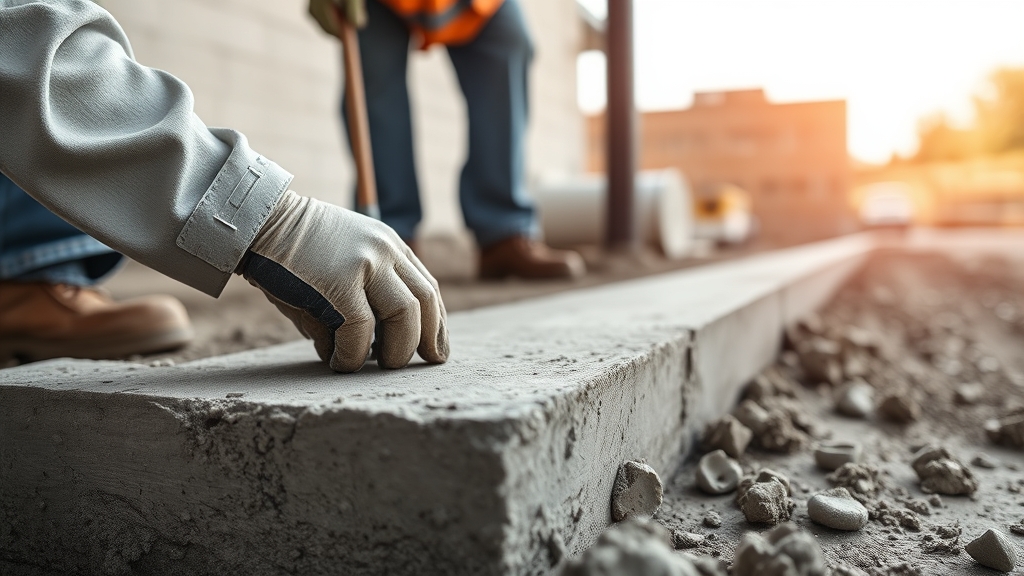
You’re Pouring Concrete Wrong. The Curing Science Proves It.
You’re Pouring Concrete Wrong. The Curing Science Proves It.
Most residential foundations are stripped too early, cured too fast, and tested too late. If you think your concrete is good to go just because it looks solid, think again. A 2017 report from the American Concrete Institute (ACI) shows a direct correlation between curing time and compressive strength — and it’s time to start taking that seriously.
Why Timing Matters
Concrete is a living material, and its strength develops over time through hydration. When you strip forms too soon or rush the curing process, you’re cutting corners on strength and durability. The ACI guidelines clearly state that proper curing should last a minimum of seven days for most mixes. Yet, many contractors are tempted to remove forms and allow concrete to dry prematurely, thinking they can save time on the job site. This approach can result in compressive strength losses of up to 30%.
That’s not just a statistic; it’s a hard reality that can lead to structural failures down the line. If you’re pouring a foundation for a home, that’s a gamble you can’t afford to take.
The Curing Process: It’s Not Just Watering
Curing isn’t just about keeping the surface wet; it’s about maintaining optimal moisture levels for the concrete as it hardens. ACI emphasizes that proper curing methods should ensure that concrete remains moist and at an adequate temperature. Inadequate curing can lead to surface cracking, reduced strength, and increased permeability, making your foundation more susceptible to water damage over time.
You might think that spraying down your foundation a couple of times a day is enough, but that’s not the case. Effective curing requires consistent monitoring of moisture levels and possibly using curing compounds that form a film over the surface to reduce evaporation.
The Right Time to Test
If you’re testing concrete strength before it’s ready, you’re setting yourself up for disappointment. Many contractors will take samples for compressive strength testing at 7 days — but this is often premature if proper curing hasn’t been maintained. The ACI recommends waiting until at least 28 days for full strength evaluation.
Testing too early can mislead you into thinking the concrete is structurally sound when it may still be developing its full potential. You wouldn’t test a car engine before it has been properly broken in; don’t do it with your concrete either.
Common Mistakes Contractors Make
-
Stripping Forms Too Early: It might look good on day two or three, but remember: concrete needs time to cure properly. If you strip forms prematurely, you’re risking cracks and structural integrity.
-
Rushing the Curing Process: Don’t underestimate how much water your mix needs after pouring. If you’re using high-strength concrete or additives like silica fume, your curing regimen must be even more stringent.
-
Neglecting Temperature Control: Hot weather can speed up evaporation and ruin your mix before it sets properly. Use wet burlap or insulated blankets in extreme conditions to keep temperatures consistent.
-
Ignoring Environmental Conditions: Wind and sun can dry out surfaces faster than anticipated. Make sure you have protective measures in place like windbreaks or shade cloths.
Real-World Implications
Consider this: A contractor in Texas poured a residential foundation in July without proper curing measures in place. By stripping forms early and failing to maintain moisture levels during the hottest part of the day, they faced significant cracking issues within months — leading to costly repairs and delayed project timelines.
This scenario isn’t unique; it’s happening on job sites across the country as contractors overlook critical aspects of curing science in favor of speed.
Best Practices for Effective Curing
-
Plan Ahead: Before pouring, ensure your crew knows the timeline for stripping forms and how long they’ll need to maintain moisture levels.
-
Use Quality Materials: Invest in high-quality curing compounds designed for your specific mix type. These compounds help retain moisture better than simple water application.
-
Monitor Conditions: Keep an eye on environmental factors like temperature and humidity during the curing period. Adjust your methods accordingly — if it’s hot or windy, step up your efforts.
-
Educate Your Crew: Make sure everyone understands why proper curing matters — from foremen to laborers on site.
-
Test Wisely: Schedule strength tests for at least 28 days after pouring unless you’re using rapid-setting mixes designed for earlier testing.
By adhering to these practices backed by ACI research, you’ll not only improve the longevity of your projects but also save yourself from potential headaches down the line.
Conclusion
The science is clear: Proper curing is non-negotiable if you want strong concrete that stands the test of time. Don’t let haste dictate your work; prioritize quality over speed to ensure that every foundation you pour is built to last. Remember: Concrete doesn’t just set; it cures — and understanding that difference could save you from future repairs and liabilities.