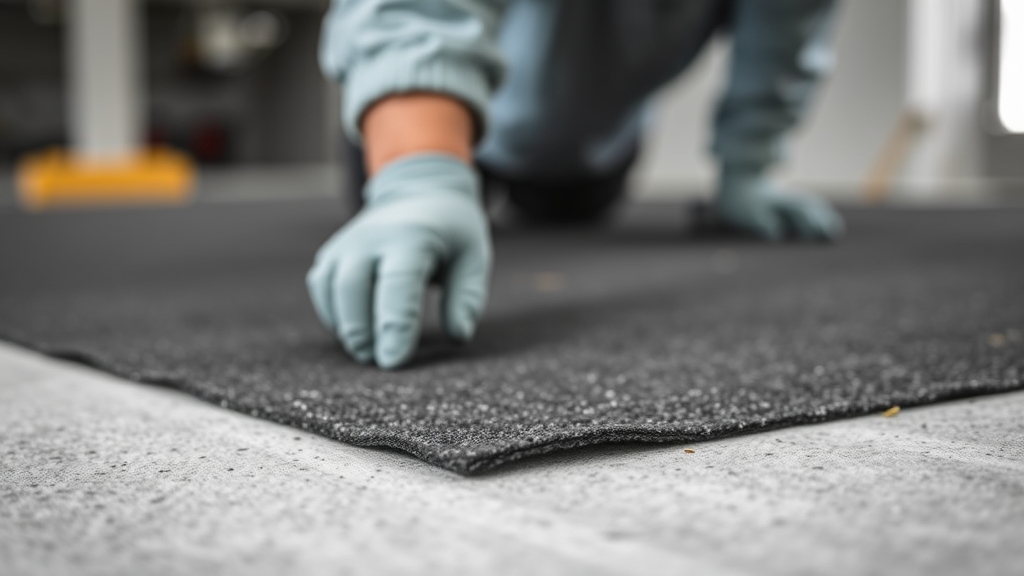
Synthetic Underlayment Beat Felt in Every Test. Builders Still Use Felt.
Synthetic Underlayment Beat Felt in Every Test. Builders Still Use Felt.
If you’re still reaching for asphalt felt for your roofing projects, it’s time to rethink that decision. A range of lab and field tests consistently show that synthetic underlayment outperforms felt in key areas: tear strength, UV resistance, and moisture vapor transmission. Despite these findings, many builders cling to felt, often due to tradition or perceived cost advantages. But with the price gap between synthetic and asphalt felt closing in 2023, there’s no better time to make the switch.
Tear Strength: A Clear Winner
When it comes to tear strength, synthetic underlayment is simply superior. Tests conducted by roofing material manufacturers demonstrate that synthetic options can have a tear strength of over 300 pounds per foot, while asphalt felt typically maxes out around 100 pounds per foot. This difference isn’t just academic; it translates directly to performance on the job site.
Consider a scenario where a storm rolls through with high winds. The stronger tear resistance of synthetic underlayment means it’s less likely to rip or fail under duress, protecting the roofing system and the home beneath it. The 2022 study from the National Roofing Contractors Association (NRCA) highlighted this disparity, showing that roofs using synthetic underlayment experienced significantly fewer failures during severe weather events compared to those utilizing felt.
UV Exposure: Lasting Protection
UV exposure is another critical area where synthetic underlayment shines. While asphalt felt deteriorates within weeks when exposed to direct sunlight, synthetic options can withstand prolonged UV exposure without losing their integrity. According to research from the American Society for Testing and Materials (ASTM), synthetic underlayments can maintain their properties for up to six months in direct sunlight, whereas felt begins to break down in as little as two weeks.
This durability matters because many projects can face delays due to weather or other factors. If your underlayment can withstand the elements longer, you won’t have to worry about it failing before you get the roof on.
Moisture Vapor Transmission: Keeping It Dry
Moisture management is crucial for any roofing system, and here too, synthetic underlayment has the edge. Synthetic materials typically allow for better moisture vapor transmission rates than asphalt felt. A study conducted by the Roof Coatings Manufacturers Association (RCMA) found that synthetic underlayments can achieve moisture vapor transmission rates of up to 1.5 perms, compared to felt’s average of 0.5 perms.
What does this mean on-site? It means that when moisture does infiltrate your roofing system—whether from condensation or leaks—synthetic underlayment allows it to escape more effectively, reducing the risk of mold growth and structural damage over time.
Price Gap Closing
For years, one of the biggest barriers to adopting synthetic underlayment has been cost. Historically, asphalt felt was cheaper and more readily available. However, as of 2023, the price gap has narrowed significantly. With advancements in manufacturing and increased competition among suppliers, you can now find synthetic options at prices comparable to or even lower than traditional felt.
For example, a leading manufacturer recently reported a 15% decrease in their synthetic underlayment prices due to improved production efficiency and material sourcing strategies. This shift makes it financially viable for builders to switch without taking a hit on their margins.
Overcoming Resistance: Why Builders Stick with Felt
So why are builders still using felt? A lot of it comes down to habit and familiarity. Many tradespeople have been using asphalt felt for decades; it’s what they know and trust—even if the evidence points elsewhere.
There’s also a misconception that if something has been used for so long, it must be good enough. But sticking with outdated methods could cost you in the long run—both in terms of repairs from failures and potential reputational damage if roofs start leaking shortly after installation.
Making the Switch
Transitioning from felt to synthetic underlayment doesn’t have to be complicated. Here are some tips for making the switch on your next job:
-
Educate Your Crew: Share data about performance differences with your team so they understand why this switch matters.
-
Evaluate Suppliers: Research local suppliers who carry synthetic options at competitive prices—many are now offering incentives for bulk purchases.
-
Trial Run: Consider using synthetic underlayment on a small project first; see how it performs compared to your usual methods before fully committing.
-
Leverage Warranties: Many manufacturers offer extended warranties on roofs installed with their synthetic products—use these as selling points when discussing projects with clients.
-
Stay Updated: Keep an eye on industry trends and innovations; as material technology continues to evolve, staying informed will keep you ahead of competitors still relying on outdated materials.
Conclusion
It’s clear: synthetic underlayment outperforms asphalt felt across multiple metrics that matter on the job site—tear strength, UV resistance, moisture vapor transmission—and now it’s more affordable than ever. As a builder or contractor, making informed decisions based on data is crucial for delivering quality work and protecting your reputation. Embrace change; your future projects—and clients—will thank you for it.