Most Jobsite Fires Start the Same Way. Here’s What the NFPA Data Shows.
Most jobsite fires start the same way. According to the National Fire Protection Association (NFPA), over 80% of residential construction fire losses are attributed to three main culprits: hot work, temporary wiring, and improper storage of combustible materials. If you’re in the construction business, these statistics should hit home. Fires not only threaten lives but can also wipe out weeks or even months of hard work. Thankfully, preventing these fires is often as simple as implementing a few basic safety measures—many of which cost less than a day’s labor.
Hot Work: The Silent Threat
Hot work encompasses activities that generate sparks or flames, like welding, cutting, or grinding. The NFPA data shows that this type of work is responsible for a significant portion of jobsite fires. Just one spark can ignite combustible materials nearby and lead to a full-blown fire.
To mitigate the risks associated with hot work, make sure you have a clear hot work permit system in place. This requires workers to assess their surroundings before starting any hot work and ensure that all flammable materials are removed or protected. A fire watch should be assigned during and after the hot work is completed to monitor for any signs of smoldering or ignition.
Additionally, having fire extinguishers readily available and ensuring workers know how to use them can save both lives and property. These small investments can dramatically reduce your fire risk.
Temporary Wiring: A Recipe for Disaster
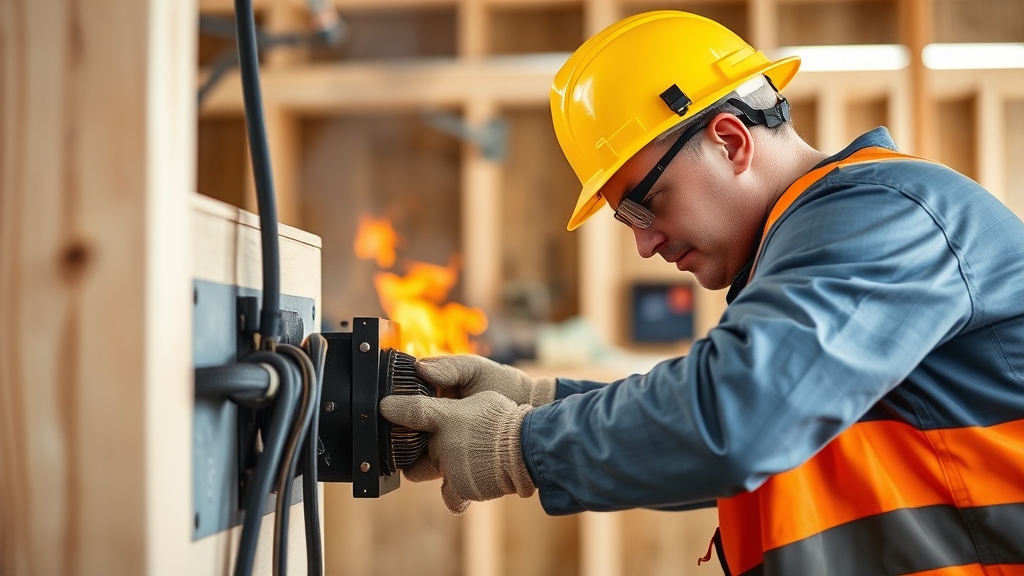
The second leading cause of jobsite fires is temporary wiring. Construction sites often rely on makeshift electrical setups, which can be a recipe for disaster if not done correctly. Overloaded circuits, frayed wires, and loose connections can easily spark fires.
The NFPA emphasizes the importance of using proper temporary wiring methods. Always use equipment rated for the specific application and ensure that circuits are not overloaded. Regularly inspect wiring and connections for wear and damage. If you’re using extension cords, choose heavy-duty ones designed for outdoor use and avoid daisy-chaining them together.
Moreover, consider having a licensed electrician oversee your electrical setup on-site. The cost of hiring a professional is minor compared to the potential losses from a fire caused by faulty wiring.
Combustible Storage: Out of Sight, Out of Mind
The third major contributor to residential construction fires is improper storage of combustible materials. This includes everything from stacks of wood and drywall to chemicals and fuels. When these materials are stored haphazardly or too close to heat sources, they pose a significant risk.
NFPA guidelines recommend maintaining a clear space around all heat sources and designating specific storage areas for combustibles away from high-risk zones. Implementing a housekeeping protocol can help keep your site organized and reduce fire hazards. Make it part of your daily routine to check for potential fire risks and ensure that all materials are stored safely.
Consider investing in proper storage solutions like flame-resistant cabinets for chemicals or designated bins for combustible waste. These measures not only enhance safety but also demonstrate your commitment to maintaining a secure job site.
Cost-Effective Prevention Strategies
The good news is that fire prevention doesn’t have to break the bank. According to NFPA reports, investing in proper safety measures costs less than a day’s labor on average—but the savings from preventing a fire can be astronomical.
-
Training: Invest in regular safety training for your crew focused on fire hazards specific to your job site. This pays dividends in awareness and can prevent accidents before they happen.
-
Fire Watch: Assign someone specifically to monitor hot work activities. Their sole focus will be identifying potential ignition sources before they become an issue.
-
Regular Inspections: Schedule frequent inspections of your electrical systems and storage areas. Keeping tabs on potential hazards helps you catch issues before they escalate.
-
Fire Extinguishers: Ensure you have adequate fire extinguishers around the site, fully charged and accessible at all times. Conduct regular checks to ensure they’re in working order.
-
Clear Communication: Foster an environment where workers feel comfortable reporting hazards without fear of retribution. A simple near-miss report can lead to changes that prevent future incidents.
The Bottom Line
Jobsite fires are preventable when you know what to look for and take proactive steps to mitigate risks. Hot work, temporary wiring, and improper storage account for 80% of construction-related fire losses according to NFPA data—this isn’t just statistics; it’s an urgent call to action for every contractor on the ground.
By implementing straightforward safety measures—many of which cost less than a day’s labor—you can protect your crew, your project timeline, and your bottom line from devastating losses due to fire. Your commitment to safety will not only enhance productivity but also build trust with clients who value professionalism on the job site.
Don’t wait until it’s too late—take action today to safeguard your construction site against fire hazards.